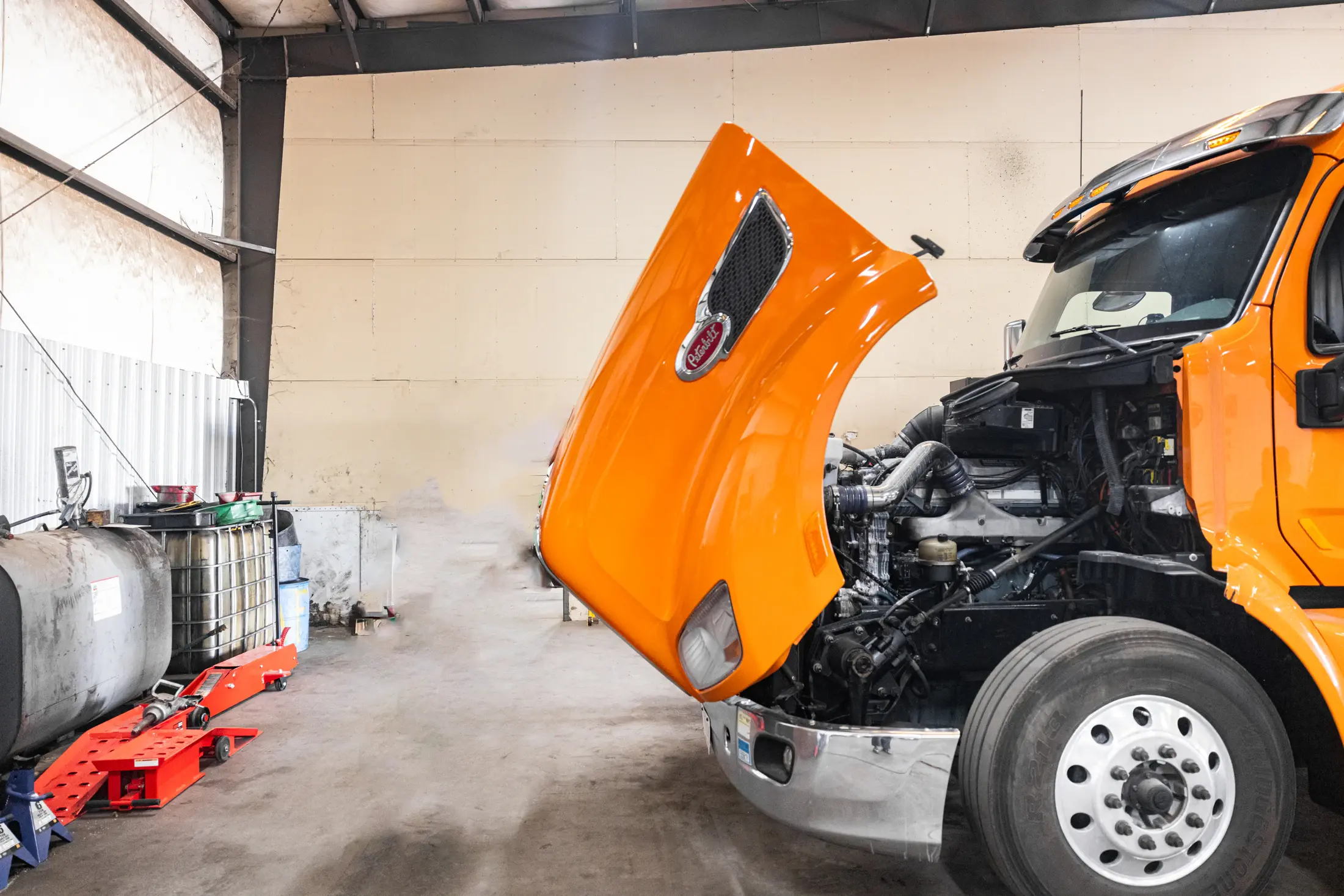
PM Service: Keep Fleet Trucks Ready for Work
PM Service: Keep Fleet Trucks Ready for Work
A truck that starts every morning can still be one missed service away from sitting at a job site. PM service gives fleet owners a planned way to catch wear, leaks, and performance issues before they become a roadside call, a missed delivery, or a lost workday.
For contractors, delivery operations, service companies, and truck owners, preventive maintenance is not about adding another task to the calendar. It is about protecting the equipment that produces revenue. A work truck with weak brakes, a trailer with worn bearings, or a diesel truck with an ignored emissions warning can stop more than one vehicle. It can delay a crew, a customer, and the work scheduled after it.
What PM Service Means for a Working Fleet
PM stands for preventive maintenance. It is scheduled service based on time, mileage, engine hours, usage, and the manufacturer’s recommendations. The goal is simple: inspect and service components while repairs are smaller, more predictable, and easier to schedule.
A useful PM program does more than change oil and replace filters. It creates a regular inspection point for the systems that receive the most punishment in commercial use. That includes brakes, tires, steering, suspension, electrical connections, cooling systems, fluid levels, belts, hoses, batteries, lights, trailers, and diesel aftertreatment components when applicable.
The exact scope depends on the vehicle and the work it performs. A lightly used service van does not need the same schedule as a loaded box truck running daily stops. A heavy-duty diesel truck pulling equipment through the Florida Panhandle faces different demands than a personal vehicle driven mostly on weekends. The right interval is based on actual operating conditions, not a one-size-fits-all rule.
Why Delayed Maintenance Costs More
Most expensive breakdowns start as ordinary wear. A small coolant leak can turn into an overheating event. Brake pads allowed to wear too far can damage rotors and calipers. A weak battery or corroded cable may create an intermittent no-start condition that wastes hours diagnosing a problem that could have been found during an inspection.
There is also the cost that does not appear on a repair invoice. When a truck is down, crews may be unable to reach a site, materials may not arrive, and another vehicle may be pulled away from its route to cover the work. Emergency repairs are often more disruptive because they happen on someone else’s schedule.
Scheduled PM service gives you more control. You can plan service around work hours, coordinate multiple vehicles at a fleet yard, and address minor findings before they affect operations. It does not eliminate every unexpected failure, but it lowers the odds of preventable downtime.
The value of records
Maintenance records turn service from guesswork into a management tool. They show what was inspected, what was repaired, which parts are wearing repeatedly, and when the next service is due. That information helps identify vehicles that are becoming expensive to operate before they create a pattern of breakdowns.
Records also support DOT compliance and can make resale, warranty conversations, and fleet budgeting easier. For a growing business, knowing the real maintenance cost of each truck is far better than relying on memory or scattered invoices.
What Should Be Included in a PM Service?
A proper inspection should match the vehicle’s use, but several areas deserve consistent attention across most commercial fleets.
Engine fluids, filters, and cooling
Oil condition and level matter, but so do coolant concentration, coolant level, power steering fluid, transmission fluid, brake fluid, and visible leaks. Filters should be changed at the correct interval for the engine and operating environment. Dusty job sites, frequent idling, and heavy loads can shorten the useful life of filters and fluids.
Cooling system inspections are especially valuable in hot weather. Technicians should look for damaged hoses, loose clamps, seepage at connections, worn belts, fan concerns, and radiator or charge-air-cooler restrictions. An engine that runs hot under load may not show a clear issue during a quick walk-around.
Brakes, tires, steering, and suspension
These systems affect safety, handling, and operating cost every day. Brake inspections can catch uneven wear, damaged hoses, air leaks, sticking components, and worn friction material. Tire checks should include tread depth, pressure, damage, uneven wear, and dual-tire condition. Incorrect inflation and alignment issues can shorten tire life quickly.
Steering and suspension components take hard impacts on job sites, unpaved roads, and heavily loaded routes. Loose components, worn bushings, damaged shocks, and abnormal tire wear should be addressed before they create handling problems or cause additional damage.
Electrical and lighting systems
Electrical issues can be difficult to diagnose after a vehicle fails, but many warning signs are visible during routine maintenance. Battery condition, cable corrosion, charging performance, grounds, connectors, lights, trailer plugs, and harness damage all deserve attention.
For work trucks and trailers, functioning lights are not optional. They affect safety, DOT readiness, and the ability to operate after dark. A quick check during service is faster than discovering an issue when the truck is already leaving the yard.
Diesel emissions and aftertreatment
Modern diesel equipment may require attention to DPF, DEF, sensors, wiring, exhaust leaks, and fault codes. Ignoring a warning light can lead to derate conditions that limit power when the truck is needed most.
Not every fault requires the same repair, which is why accurate diagnostics matter. A forced regeneration may be appropriate in some cases, while another vehicle may have a sensor, dosing, wiring, exhaust, or underlying engine issue that must be corrected first. PM inspections help spot developing concerns before a vehicle reaches a no-go condition.
Building a PM Schedule That Fits the Work
The best maintenance schedule is one your team can follow. Start with manufacturer recommendations, then adjust for how each vehicle is used. Mileage is useful, but engine hours, idle time, payload, towing, job-site conditions, and route length can matter just as much.
A truck that idles for long periods may need service based on hours rather than miles. A trailer used occasionally may need inspections based on time, especially for tires, brakes, lights, and bearings. Equipment working around dirt, salt air, standing water, or construction debris may need more frequent checks than equipment operating on paved routes.
Set service intervals, track them in one place, and make responsibility clear. Drivers should report warning lights, leaks, unusual noises, hard starts, steering changes, and brake concerns as soon as they notice them. Daily walk-arounds do not replace technician inspections, but they are an effective early-warning system.
Mobile PM Service Reduces Disruption
Taking every truck to a shop can mean driver time, scheduling conflicts, towing risk, and lost hours waiting in line. Mobile preventive maintenance changes that by bringing qualified service to the fleet yard, job site, or other approved location.
For fleets operating from Mexico Beach through Fort Walton Beach and within the Panama City service area, mobile service can help organize maintenance around the workday. Several vehicles can be serviced in one location, which reduces travel and keeps supervisors from rearranging the entire schedule for routine maintenance.
Mobile service is not the answer for every repair. Major internal engine work, certain transmission repairs, or jobs requiring specialized shop equipment may need a facility. But oil and filter service, inspections, brakes, electrical diagnostics, trailer work, lift gate service, and many common repairs can often be handled where the vehicle is parked.
Signs Your Fleet Is Falling Behind
A PM program may need attention if service is usually triggered by a breakdown, maintenance records are incomplete, or drivers routinely report the same concerns without a clear follow-up. Other warning signs include frequent battery failures, repeated tire damage, increasing warning lights, overdue inspections, and vehicles being pulled from jobs at the last minute.
The fix is not always a more complicated program. Often, it is a clearer schedule, better tracking, and timely follow-through on inspection findings. Prioritize safety-related concerns and problems that can damage major components if ignored. Then schedule the remaining work before it becomes urgent.
A dependable fleet is built one service interval at a time. Put PM service on the calendar before the next busy week, keep the records current, and give small problems a chance to stay small.
Testimonials
Contact & Location
24/7 emergency dispatch — we're ready when you need us.