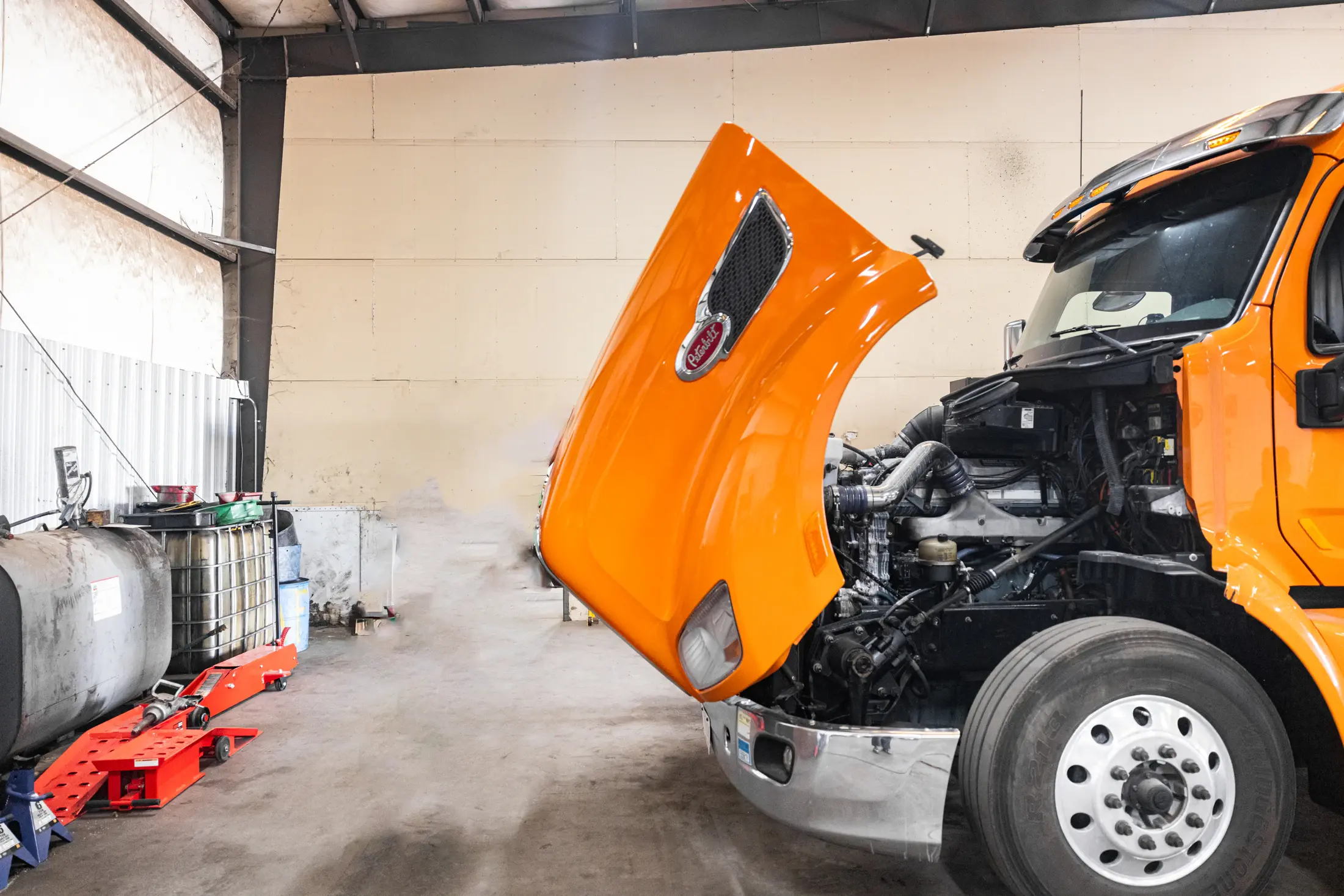
Mobile Truck Repair That Cuts Fleet Downtime
Mobile Truck Repair That Cuts Fleet Downtime
A truck that will not start at 6:30 a.m. can put an entire crew behind before the first job begins. A brake issue, warning light, electrical fault, damaged trailer connection, or hydraulic problem can stop deliveries, delay equipment, and leave employees waiting. Mobile truck repair brings the technician to the truck, so the repair process starts where the vehicle is instead of after a tow, shop intake, and long wait.
For contractors, fleet managers, owner-operators, and delivery businesses, the value is simple: less time spent moving a disabled vehicle and more time spent getting it back to work. The right mobile service can handle routine maintenance, diagnose unexpected problems, and perform many repairs at a fleet yard, job site, customer location, or roadside.
When Mobile Truck Repair Makes Business Sense
Taking every truck to a repair shop is not always the best use of a workday. A truck may be parked at a job site with tools, materials, or equipment that cannot be easily transferred. A box truck may be loaded for delivery. A service truck may be needed for a scheduled call. In each case, towing and shop transport add cost and create another point of delay.
Mobile truck repair is especially useful when the vehicle is safe to work on at its current location and the repair can be completed with on-site equipment. Common examples include no-start conditions, battery and charging issues, electrical diagnostics, air system concerns, brake service, preventive maintenance, trailer repairs, lift gate problems, and many engine-related repairs.
It is not a replacement for every shop visit. Major engine work, repairs requiring a lift, certain transmission failures, or work that needs specialized shop equipment may still call for a repair facility. A dependable technician should be clear about that distinction. The goal is not to force every repair into the field. The goal is to make the fastest sound repair decision for the truck and the business.
What a Mobile Truck Repair Visit Should Accomplish
A productive service call starts with accurate information. The truck's location, make and model, engine type, symptoms, warning lights, recent repairs, and whether it can move safely all help the technician arrive prepared. If a truck has lost power, for example, the cause could involve fuel delivery, an air leak, an emissions-related issue, electrical wiring, sensors, or a mechanical problem. Guessing wastes time.
Once on site, the technician should inspect the truck, verify the complaint, and diagnose the actual failure before recommending repairs. That matters because replacing parts based on symptoms alone can increase cost without fixing the problem. Electrical and diesel systems often require testing, not assumptions.
After the issue is identified, the service process should be straightforward: explain the repair, address the failure, test the vehicle or system, and document what was completed. For fleet operators, that documentation helps track repeat issues, plan future maintenance, and make better decisions about aging equipment.
Repairs That Can Often Be Handled On Site
The exact scope depends on the truck, the failure, weather conditions, access to the vehicle, and available parts. Still, many fleet-stopping problems can be addressed without bringing the truck to a shop. This includes battery replacement, alternator and starter concerns, wiring repairs, lighting problems, brake adjustments and component service, air leaks, PM services, filters, belts, hoses, trailer electrical repairs, roll-up door repairs, and selected hydraulic or lift gate work.
Mobile diagnostics are also valuable when the repair cannot be completed immediately. Knowing why a truck has failed gives the fleet manager a clear next step. The vehicle may be repairable in place, safe to move to a shop, or need towing. Each outcome is better than leaving a crew to speculate.
Preventive Maintenance Keeps Small Problems Small
Emergency repairs get attention because they are disruptive, but preventive maintenance often has the larger effect on fleet uptime. A loose battery cable, worn belt, leaking hose, weak brake component, damaged trailer plug, or overdue filter can turn into a roadside failure at the worst possible time.
For work trucks and commercial fleets, maintenance should reflect how the vehicles are actually used. A truck making short local stops has different wear patterns than a diesel truck hauling heavy loads, idling at job sites, or traveling long distances. Trailer condition, lift gate operation, electrical connections, tires, brakes, fluids, and emissions systems should be reviewed based on service demands rather than a one-size-fits-all schedule.
Mobile maintenance makes this easier because work can be scheduled at the fleet yard or job site. Instead of sending multiple vehicles away one at a time, a technician can service units where they are parked. That helps reduce scheduling gaps and gives managers a better view of which trucks need attention next.
How to Reduce Downtime Before the Truck Breaks Down
The fastest repair call is the one where the technician arrives with enough information to begin work immediately. Drivers should report symptoms as soon as they appear, not only when the truck becomes undrivable. A slow crank, intermittent warning light, air pressure issue, unusual noise, rough idle, or unreliable lift gate is easier to diagnose before it becomes a full shutdown.
Fleet managers can also reduce delays by keeping basic service records available. Note recent repairs, fault codes, recurring issues, mileage, engine hours, and parts that were recently replaced. A record of what has already been tested prevents duplicate work and helps identify patterns across similar vehicles.
Parts availability is another practical factor. Some repairs can be completed during the first visit, while others require ordering a specific component. Clear communication about the truck's VIN, engine configuration, and failure details can improve the chances that the correct parts are sourced quickly.
Choosing a Mobile Repair Provider for Your Fleet
A mobile repair provider should understand the difference between a personal vehicle repair and a commercial downtime event. For a business, the repair affects payroll, scheduled work, customer commitments, equipment access, and revenue. Technical skill matters, but so does the ability to communicate clearly about what failed, what is needed, and whether the truck can safely return to service.
Look for experience with the vehicles in your operation, whether that includes semi-trucks, heavy-duty diesel trucks, box trucks, service trucks, trailers, or contractor equipment. The provider should also be equipped to perform diagnostics rather than relying on trial-and-error part replacement.
For businesses from Mexico Beach through Fort Walton Beach and the surrounding Florida Panhandle, Mobile Fleet Services provides on-site diesel, fleet, trailer, and automotive repair focused on keeping work vehicles available. Service at the yard, job site, or breakdown location can eliminate unnecessary movement and help crews stay productive.
A Better Response Starts With Early Action
When a truck develops a problem, waiting rarely improves the outcome. Address the warning signs early, keep service records organized, and use mobile truck repair when bringing qualified service to the vehicle is the most practical way to protect the schedule. Every hour saved getting a truck diagnosed and repaired is time your crew can put back into the work that keeps the business moving.
Testimonials
Contact & Location
24/7 emergency dispatch — we're ready when you need us.