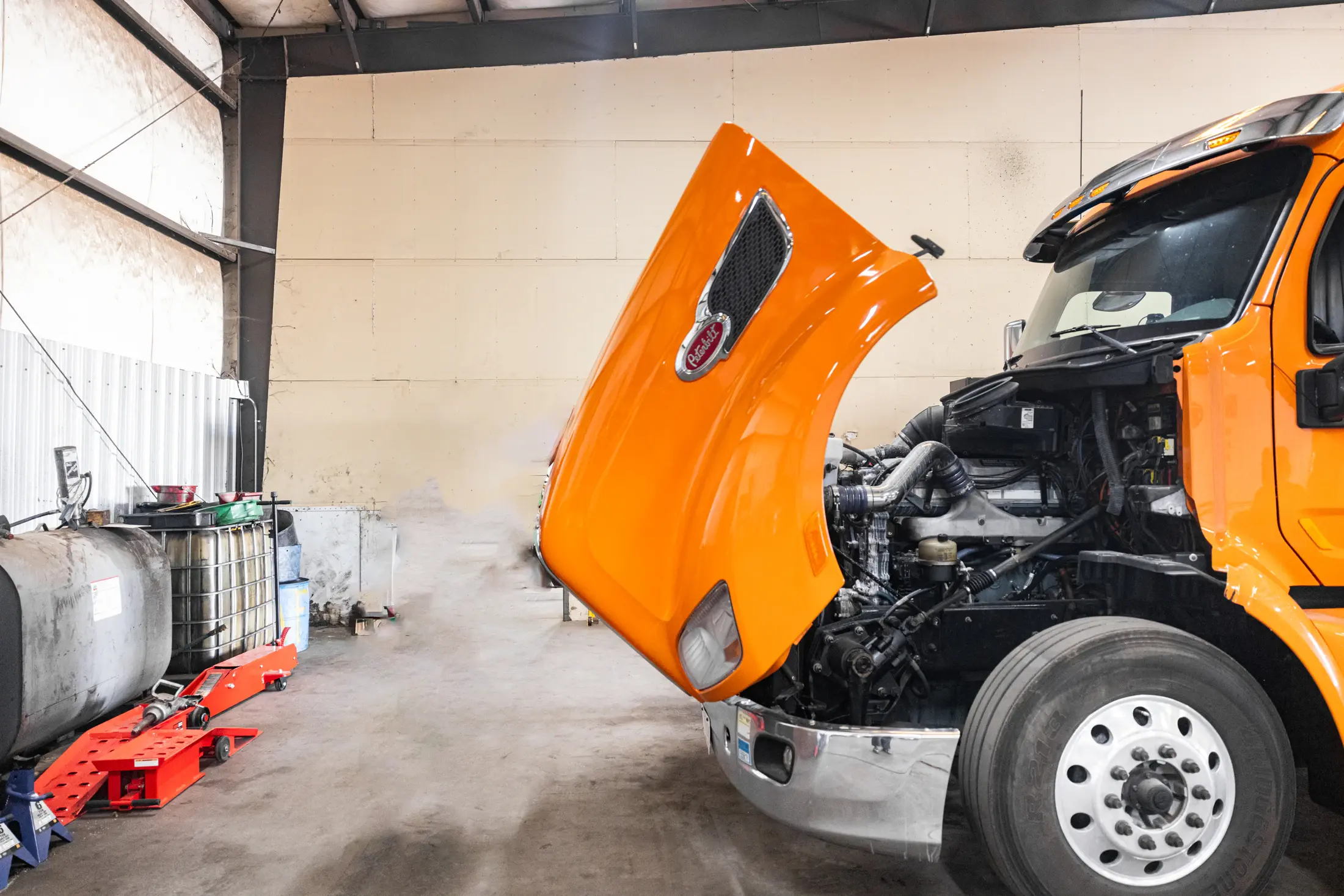
Heavy Equipment Repair That Cuts Jobsite Downtime
Heavy Equipment Repair That Cuts Jobsite Downtime
A machine that will not start, loses hydraulic power, or throws a warning light can stop an entire crew. Heavy equipment repair is not just about replacing failed parts. It is about finding the cause quickly, making the right repair, and getting the machine back to productive work without creating a second failure later.
For contractors, fleet owners, and equipment operators, downtime has a direct cost. Labor waits. Deliveries move. Schedules slip. A repair plan should account for the immediate problem, the condition of the machine, and whether the issue can be handled safely at the job site or needs more extensive service.
What Heavy Equipment Repair Should Accomplish
The goal of a repair is simple: restore safe, reliable operation with as little disruption as possible. That requires more than clearing a fault code or replacing the most obvious damaged component. A technician needs to verify the complaint, inspect related systems, and test the repair under the conditions that caused the problem.
For example, an excavator with slow boom movement may have a hydraulic leak, contaminated fluid, a restricted filter, a failing pump, a damaged hose, or an issue with a control valve. Replacing one part without checking pressure, fluid condition, and the rest of the hydraulic circuit can leave the original problem unresolved.
The same is true with diesel-powered equipment. Hard starting, low power, excessive smoke, and repeated regeneration problems can come from several sources. Fuel delivery, air intake restrictions, electrical connections, sensors, emissions components, and engine condition all need to be considered. Proper diagnostics reduce unnecessary parts replacement and shorten the path to a real fix.
The Repair Issues That Cause the Most Downtime
Most jobsite equipment failures do not happen without warning. Small leaks, weak cranking, unusual noises, slow cycle times, and recurring warning lights are often early signs of a larger issue. When those signs are ignored because the machine is still running, a manageable repair can turn into an expensive breakdown.
Hydraulic problems are common because hoses, seals, cylinders, pumps, and fittings work under constant pressure. A small hose leak can become a major loss of fluid, create a safety hazard, and allow dirt into the system. If contamination circulates through the hydraulic system, the repair may involve far more than replacing a hose.
Electrical faults also create difficult downtime because the visible symptom may not point directly to the failed component. Corroded connectors, damaged wiring, weak grounds, failing batteries, and charging system problems can trigger intermittent faults across multiple systems. Equipment that starts one day and will not start the next needs a complete electrical diagnosis, not guesswork.
Undercarriage wear matters on tracked machines. Worn sprockets, rollers, idlers, track chains, and pads affect stability, traction, and operating cost. Waiting until a track comes off or a component fails can take a machine out of service when the job needs it most. Regular measurement and inspection help owners plan those repairs before they become urgent.
Start With a Clear Breakdown Report
The operator is often the best source of information at the job site. Before service begins, document what happened, when it started, what warning lights appeared, and whether the problem occurs under load, at idle, or only after the machine reaches operating temperature.
A useful report includes the machine make and model, approximate hours, recent work performed, and any changes in fuel use, power, noise, or fluid levels. Photos of active leaks, damaged hoses, dashboard messages, and visible wiring issues can also save time. Clear information allows a mobile technician to arrive better prepared with likely tools, test equipment, and parts.
Do not keep operating equipment that has low oil pressure, overheating, a severe hydraulic leak, brake problems, steering issues, or a major structural concern. Continuing to run a machine in those conditions can turn a repairable issue into engine damage, pump failure, or an unsafe jobsite incident.
When Mobile Repair Makes Sense
Mobile heavy equipment repair is often the practical choice when the machine is difficult or costly to transport. Excavators, skid steers, loaders, lifts, generators, service trucks, and contractor equipment can frequently be diagnosed and repaired at the yard, roadside, or job site.
On-site service is especially valuable for common issues such as no-start conditions, battery and charging problems, electrical diagnostics, hose and hydraulic repairs, brake service, preventive maintenance, engine-related concerns, and many trailer or work truck repairs. The biggest advantage is avoiding the lost time and added expense of arranging transport to a shop.
That said, not every repair belongs in the field. Major internal engine work, extensive fabrication, complex machine rebuilds, or repairs that require specialized lifting equipment may be better handled in a controlled shop environment. The right decision depends on safety, access, parts availability, and the scope of the failure. A dependable service provider should be direct about what can be completed on-site and what requires another plan.
For businesses operating from Mexico Beach through Panama City and toward Fort Walton Beach, mobile service can keep a problem from becoming a full-day logistics issue. Mobile Fleet Services brings repair and diagnostic support to the location of the equipment when on-site service is the fastest practical option.
Preventive Maintenance Is the Cheapest Repair Strategy
Emergency repairs cannot always be avoided. Hoses burst, components fail, and jobsite conditions are hard on equipment. But a consistent maintenance program catches many issues before they stop production.
The most effective maintenance plans are built around actual equipment use, not just a calendar reminder. A machine operating long hours in sand, dust, heat, standing water, or heavy load conditions may need more frequent inspections and fluid service than a machine used occasionally in a controlled yard.
Operators should complete basic walk-around checks before work begins. Look for fresh leaks, damaged hoses, loose hardware, worn belts, low fluid levels, tire or track damage, and debris around cooling components. A few minutes before startup can prevent a much longer shutdown later.
Scheduled service should cover engine oil and filters, fuel filters, air intake filters, cooling system condition, hydraulic fluid and filters, battery and charging performance, brakes, lights, safety devices, and grease points. Service records matter because they show what has been done, identify repeat failures, and make it easier to plan work around equipment availability.
Do Not Ignore Fluids, Filters, and Contamination
Fluid condition provides useful information about machine health. Darkened engine oil may be normal between changes, but metal particles, coolant contamination, fuel dilution, or an unusual smell require attention. Hydraulic fluid that appears milky may contain water. Burnt-smelling fluid may point to overheating or component wear.
Filters are not minor maintenance items. A restricted air filter can reduce engine performance. A neglected fuel filter can cause hard starting, low power, and injector-related problems. A clogged hydraulic filter can restrict flow or indicate contamination in the system. Replacing filters on schedule is less expensive than repairing the components they protect.
When a hydraulic or fuel system is opened for repair, cleanliness matters. Dirt introduced during a hose replacement or fitting repair can travel through the system and damage sensitive components. The repair area, replacement parts, caps, plugs, and fluid-handling process should all be kept clean.
How to Reduce Repeat Repairs
A repeat breakdown usually points to one of three problems: the root cause was not identified, a related damaged part was missed, or the machine returned to work without correcting the operating condition that caused the failure.
After a repair, operators should know what was found, what was replaced, and what to watch for next. If a hose failed because it was rubbing against a bracket, the routing or protection needs correction. If a charging system problem damaged batteries, the electrical system should be tested before new batteries are installed. If an engine overheated because the radiator was packed with debris, the cooling stack needs proper cleaning and regular inspection.
Keeping repair notes by unit number also makes better decisions possible. When the same truck, skid steer, or excavator repeatedly needs the same type of work, the owner can decide whether to change the maintenance interval, repair the underlying issue more thoroughly, or plan for replacement before downtime becomes routine.
The best time to address a machine concern is when it is still a concern, not when the crew is standing around waiting for it. Prompt diagnostics, practical repairs, and regular inspections keep equipment available for the work that pays the bills.
Testimonials
Contact & Location
24/7 emergency dispatch — we're ready when you need us.