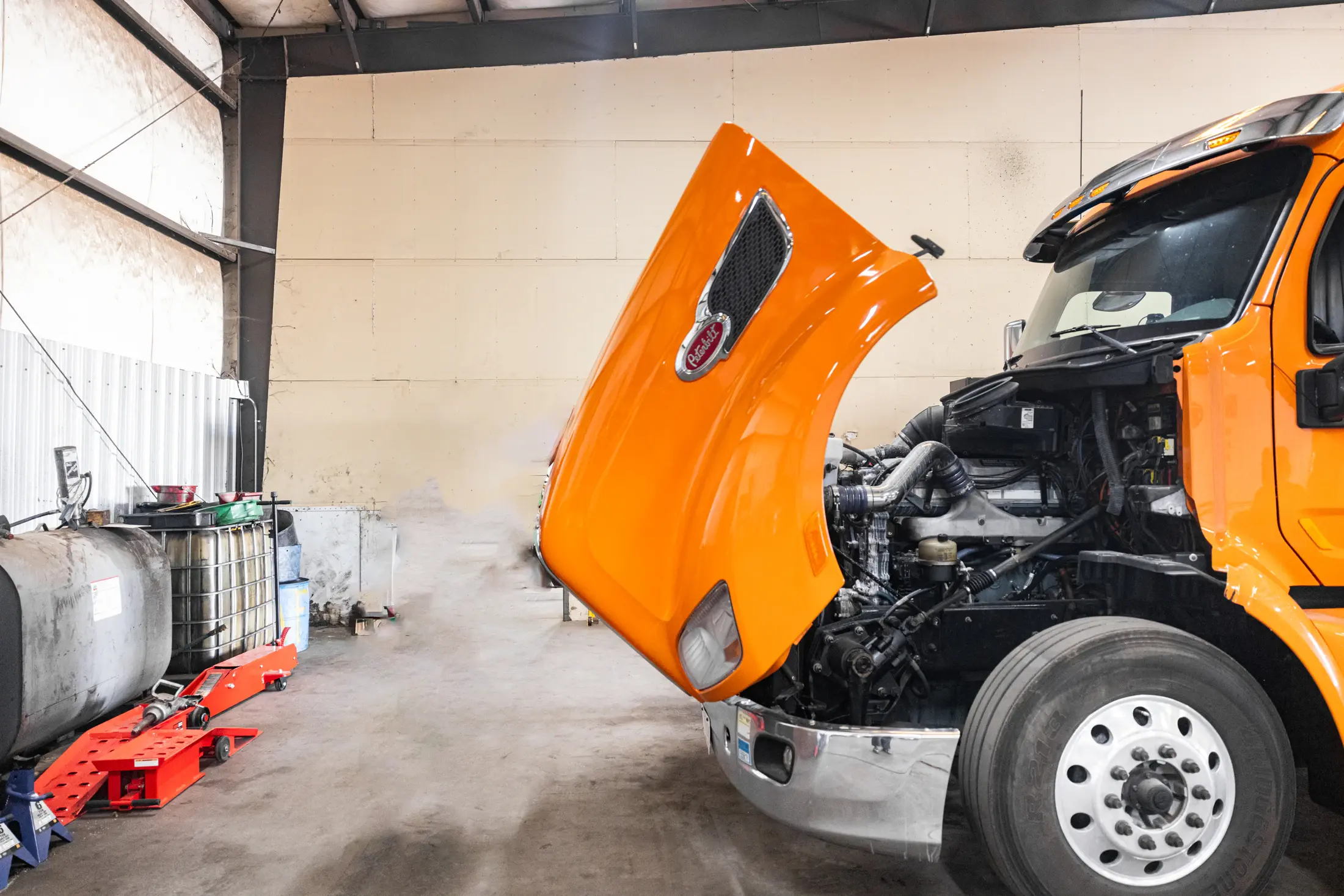
Fleet Service That Keeps Your Crew Moving
Fleet Service That Keeps Your Crew Moving
A work truck that will not start at 6:30 a.m. can stop more than one vehicle. It can delay a crew, hold up materials, miss a delivery window, or leave equipment sitting at a job site. Fleet service is about preventing that chain reaction and responding quickly when a vehicle or trailer does go down.
For contractors, delivery operators, utility crews, and commercial truck owners, downtime is not an inconvenience. It is lost labor, missed work, and pressure on the rest of the fleet. The right maintenance and repair plan keeps vehicles available, identifies problems before they become roadside failures, and brings qualified service directly to where the work is happening.
What Fleet Service Should Accomplish
Fleet service is more than an oil change schedule. It is a practical system for keeping work trucks, diesel trucks, trailers, service vehicles, and equipment safe, dependable, and ready to operate. That system includes preventive maintenance, inspections, diagnostics, repairs, and breakdown response.
The goal is straightforward: reduce avoidable downtime without pulling every vehicle out of service for more time than necessary. A contractor with three service trucks has different needs than a company operating 30 box trucks. Both need a plan that accounts for vehicle use, mileage, idle time, towing load, operating conditions, and manufacturer service intervals.
A good service provider also helps separate urgent repairs from items that can be scheduled. A brake issue, active warning light, cooling problem, or no-start condition may need immediate attention. A worn belt, aging battery, or minor fluid seep may be handled during planned maintenance before it becomes an emergency.
Why Mobile Fleet Service Matters
Taking a disabled truck to a repair shop often means waiting for a tow, moving tools or cargo to another vehicle, and losing a day or more while the truck sits in line. For a truck parked at a job site, fleet yard, or customer location, that process can be expensive before repairs even begin.
Mobile fleet service brings diagnostics and repair capability to the vehicle. For many common problems, the technician can inspect the issue, identify the cause, and complete the repair on-site. This is especially valuable for work trucks carrying specialized tools, trailers that are difficult to transport, and heavy-duty vehicles that cannot easily be taken out of rotation.
Mobile service is not the answer to every repair. Major engine work, internal transmission repairs, or jobs requiring a lift or specialized shop equipment may need a facility. But on-site maintenance, electrical diagnosis, brake service, starting and charging repairs, trailer repairs, hydraulic issues, and many diesel-related concerns can often be handled where the vehicle is parked.
That difference matters when your crew is scheduled to pour concrete, respond to a service call, move equipment, or make deliveries the same day.
The Maintenance Work That Prevents Expensive Failures
Preventive maintenance works best when it follows how a vehicle is actually used. A lightly used pickup does not need the same service approach as a diesel work truck idling at job sites all day or a box truck making repeated stops in summer heat.
Oil and filter changes remain important, but they are only one part of the picture. Fleet maintenance should also include fluid checks, brake inspections, tire condition, steering and suspension checks, battery and charging system testing, cooling system inspections, belts, hoses, lights, and basic safety items.
For diesel trucks, service may also involve fuel system concerns, emissions-related diagnostics, DPF issues, air system checks, and engine fault code diagnosis. Ignoring a warning light can lead to reduced power, a no-start condition, or an avoidable derate at the worst possible time.
Trailers deserve the same attention. Lighting failures, worn brakes, damaged wiring, bad hubs, tire problems, broken roll-up doors, lift gate issues, and hydraulic leaks can take a useful unit out of service just as quickly as an engine failure. A trailer inspection before it causes a roadside issue is usually faster and less costly than an emergency repair.
Build a Service Schedule Around Your Operation
The most useful schedule is one your team can follow. Maintenance gets missed when it depends on someone remembering every due date while managing jobs, dispatching crews, and handling customer calls.
Start by organizing each vehicle and trailer by unit number, VIN, mileage, engine hours when applicable, service history, and inspection dates. Track oil services, tire replacements, brake work, batteries, DOT inspections, and repairs that may point to a recurring issue.
Then schedule maintenance based on the unit's workload. High-mileage delivery vehicles may need more frequent service than a truck used locally. Construction trucks operating on rough ground may need closer attention to suspension, tires, brakes, and underbody components. Vehicles that idle for long periods need monitoring that goes beyond mileage alone.
It also helps to reserve planned service windows. Sending one truck at a time for inspection or maintenance is easier to manage than having several units fail during the same busy week. Planned work gives you more control over labor, scheduling, and parts availability.
What to Do When a Fleet Vehicle Breaks Down
When a truck or trailer goes down, the first priority is safety. Get the vehicle to a safe location if possible, secure the work area, and document the symptoms. A clear description saves time before the technician arrives.
Useful details include whether the engine cranks, whether warning lights are active, when the issue began, what happened immediately before the failure, and whether there is fluid leaking, smoke, unusual noise, brake trouble, or a loss of power. For trailers, note whether the problem involves lights, brakes, tires, doors, lift gates, or hydraulics.
Avoid the temptation to keep operating a vehicle that has a serious warning sign. Continued use after overheating, oil pressure loss, major air leak, brake problem, or electrical burning smell can turn a manageable repair into a much larger one. The same applies to diesel emissions warnings that lead to reduced power. Addressing the issue early usually protects both the truck and the schedule.
Choosing the Right Fleet Service Partner
The lowest service price does not always produce the lowest operating cost. A repair that is incomplete, delayed, or poorly diagnosed can put the vehicle back out of service within days. Look for a provider that understands commercial use, communicates clearly, and can explain what failed, what is required now, and what should be watched or scheduled next.
Response capability matters, especially when vehicles work across a large area. Mobile service is valuable when it can reach a fleet yard, roadside location, job site, or customer property without adding unnecessary delay. For businesses operating between Mexico Beach and Fort Walton Beach, local coverage can make a real difference when a truck is down away from the shop.
Experience with the full working unit also matters. A truck may have an engine issue, but it may also need trailer wiring repair, brake service, a lift gate repair, hydraulic work, or a DOT-related inspection. Working with a technician who can evaluate the vehicle in context helps prevent separate problems from being overlooked.
Clear records are another sign of dependable service. Knowing what was inspected, repaired, replaced, and recommended gives fleet owners a better basis for planning. It also makes it easier to identify units that are becoming costly to keep in service.
Keep Small Problems From Running the Schedule
Most downtime does not begin as a major breakdown. It starts with a slow crank, a warning light that comes and goes, brakes that feel different, a trailer light that fails intermittently, a small coolant loss, or a driver report that gets pushed aside during a busy week.
Treat those reports as useful information. Give drivers a simple way to report issues before they become urgent, and address repeat concerns rather than resetting the problem and hoping it stays away. A dependable fleet is built through consistent attention to the details that keep work moving.
The best time to arrange service is before a vehicle decides the schedule for you.
Testimonials
Contact & Location
24/7 emergency dispatch — we're ready when you need us.