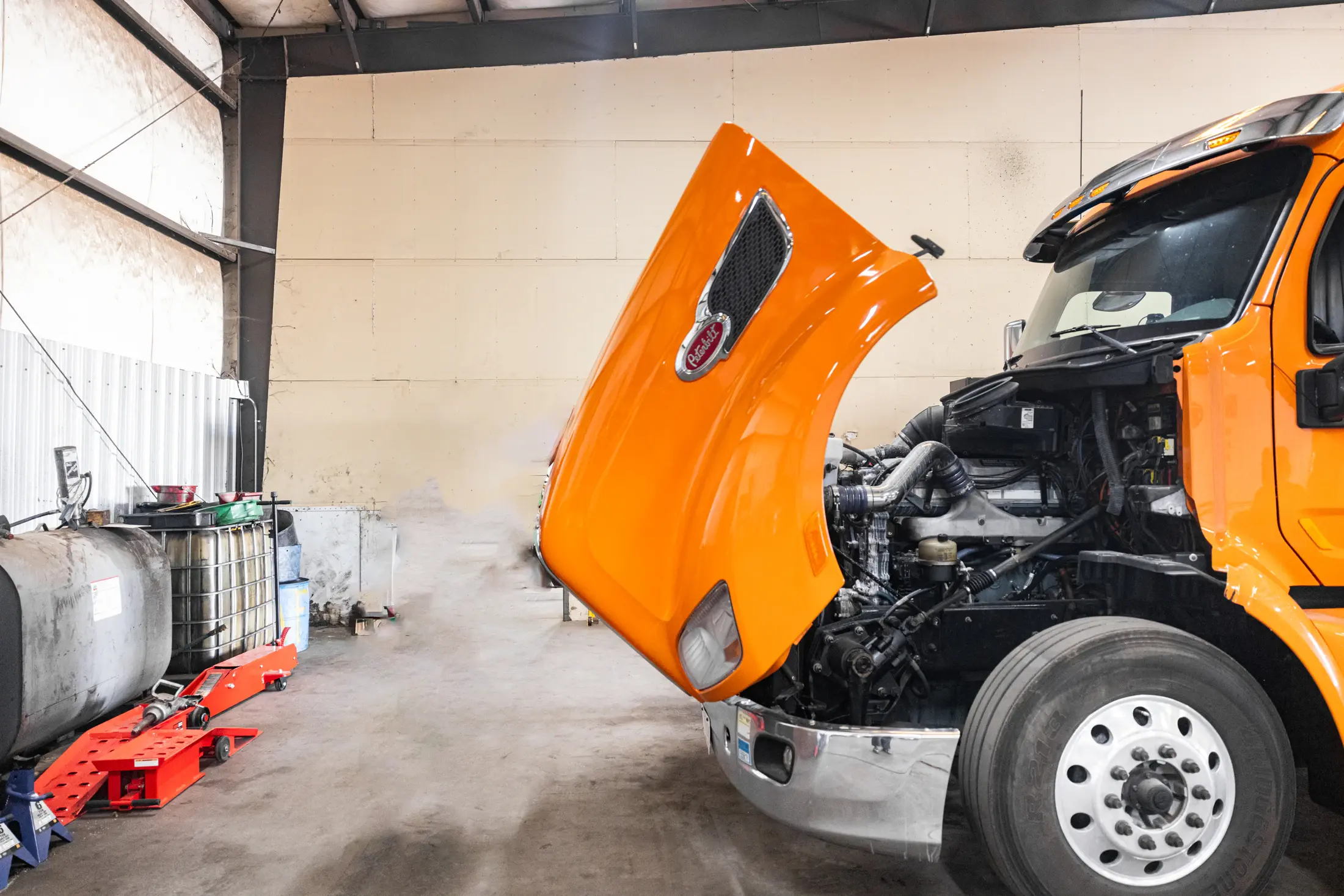
Diesel Engine Repair That Cuts Fleet Downtime
Diesel Engine Repair That Cuts Fleet Downtime
A truck that starts running rough at 7 a.m. can cost a crew a full day of production. Diesel engine repair is not just about replacing failed parts. It is about finding the actual cause of the problem, making the right repair, and getting the vehicle, truck, or equipment back to work without creating another breakdown next week.
For contractors, delivery operations, towing companies, and commercial fleets, the goal is simple: protect uptime. That means addressing early warning signs, using accurate diagnostics, and scheduling maintenance before a small issue becomes an expensive roadside failure.
When Diesel Engine Repair Cannot Wait
Diesel engines are built for hard work, but they give warning signs when something is not right. Ignoring those signs can turn a repairable issue into damaged injectors, a failed turbocharger, engine overheating, or internal engine damage.
Loss of power under load is one of the most common signs. A truck may idle normally and still struggle when pulling a trailer, climbing a grade, or carrying equipment. The cause could be restricted fuel flow, a boost leak, a failing sensor, an exhaust restriction, injector trouble, or a turbo issue. The symptom alone does not identify the failed part, which is why diagnosis matters.
Hard starting, extended cranking, rough idle, excessive smoke, coolant loss, oil leaks, high engine temperature, and frequent regeneration events also need attention. A check engine light should not be treated as a minor inconvenience on a working truck. Fault codes point technicians in the right direction, but they are a starting point, not a complete repair plan.
If a vehicle is losing power, overheating, or showing low oil pressure, continued operation can make the final repair much more costly. Stopping early may feel inconvenient. Running it until it quits is usually worse.
What Accurate Diesel Engine Repair Looks Like
The right repair starts with how the truck is being used. A work truck that spends most of its day idling has different failure patterns than a highway tractor hauling long distances. A box truck making frequent stops faces different demands than a service truck operating on construction sites.
A qualified technician should first confirm the complaint, inspect the vehicle, scan engine and emissions systems, and test the components related to the problem. That can include checking fuel pressure, boost pressure, charging voltage, wiring condition, fluid levels, cooling system performance, and active or stored diagnostic codes.
This process takes more time than replacing the part named in a fault code, but it avoids unnecessary repairs. For example, a low-boost code may be caused by a damaged charge-air hose rather than a failed turbocharger. A no-start condition may come from low battery voltage, poor cable connections, fuel supply problems, or a sensor signal issue. Replacing major components before testing can waste money and extend downtime.
Mobile service is especially valuable when the truck or equipment is stuck at a job site, fleet yard, customer location, or roadside. Many electrical, cooling, fuel, brake, and engine-related issues can be diagnosed and repaired on-site, reducing the need for towing and the delay of moving equipment to a shop. Major internal repairs may still require a controlled shop environment, but a proper mobile diagnosis helps determine the fastest next step.
The Systems That Affect Engine Performance
A diesel engine relies on several systems working together. A problem in one system often looks like an engine problem, even when the engine itself is mechanically sound.
Fuel and Air Delivery
Clean fuel and unrestricted airflow are essential. Clogged fuel filters, water contamination, damaged fuel lines, leaking charge-air connections, and restricted air filters can all reduce performance. Poor fuel delivery can cause hard starts, hesitation, low power, and injector damage over time.
Air leaks after the turbocharger are easy to overlook. They may only open under load, which means a truck can seem fine during a quick idle inspection. Oil residue around boots, loose clamps, split hoses, and unusual turbo noise are signs worth checking.
Cooling System Health
Overheating is never a condition to work around. Low coolant, leaking hoses, a weak water pump, a failed fan clutch, a restricted radiator, or a thermostat issue can all raise engine temperature. Continued overheating risks head gasket damage, warped components, and severe internal engine failure.
Cooling systems also need the correct coolant and proper maintenance intervals. Mixing incompatible coolant types or neglecting coolant condition can lead to corrosion and damage that develops slowly, then appears as an expensive repair.
Electrical and Starting Systems
Modern diesel trucks depend heavily on sensors, modules, batteries, wiring, and charging systems. A weak battery or poor ground connection can create multiple fault codes and cause no-start or intermittent performance problems. Corroded terminals, damaged wiring near hot exhaust components, and loose connectors are common issues on hard-working fleet vehicles.
Electrical diagnostics should be methodical. Clearing codes without identifying why they returned does not solve the problem. The repair should address the failed circuit, connector, sensor, or component and confirm that the system performs correctly afterward.
Emissions and Exhaust Components
DPF, DEF, EGR, and related emissions systems are a regular source of downtime for commercial diesel vehicles. Frequent regens, reduced power, warning lights, and derate conditions can be tied to driving patterns, soot loading, sensor failures, exhaust leaks, fuel system problems, or underlying engine performance issues.
A forced regeneration is not always the answer. If the reason for excessive soot is not corrected, the problem will return. Trucks that idle for long periods or make short, stop-and-go trips may need a maintenance plan that accounts for those operating conditions.
Repair Priorities When a Fleet Is Under Pressure
When several vehicles need attention, prioritize repairs based on safety, risk of damage, and operational impact. Brake problems, steering concerns, overheating, low oil pressure, severe fuel leaks, and active derate conditions should move to the top of the list.
Next, focus on trucks that are still moving but showing signs of an imminent failure. A coolant leak, intermittent no-start, failing alternator, or recurring engine code may allow a vehicle to complete a shift, but it can also become tomorrow's missed delivery or stalled job site.
It is also worth tracking repeat issues by vehicle. If the same truck repeatedly needs electrical repairs, has frequent DPF warnings, or consumes coolant, treat that as a pattern rather than a series of separate incidents. A maintenance record helps identify whether the real problem is usage, missed service intervals, a poor previous repair, or a component failure that was never fully diagnosed.
Preventive Maintenance Reduces Emergency Repairs
The least disruptive diesel engine repair is the one avoided through inspection and scheduled service. Preventive maintenance does not eliminate failures, but it catches wear before it puts a truck out of service.
Engine oil and filters need to be changed according to the vehicle manufacturer's requirements and the truck's actual duty cycle. Severe use, frequent idling, heavy loads, and dusty job sites may require a different service schedule than steady highway driving. Fuel filters, air filters, belts, hoses, batteries, coolant condition, and fluid leaks should be checked consistently, not only when a warning light appears.
Drivers also play an important role. They are often the first to notice a longer crank, a new vibration, reduced pulling power, unusual smoke, a burning smell, or a change in engine sound. Encourage drivers to report those changes early. A clear report of when the issue happens, whether it occurs under load, and which warning lights appeared can shorten diagnostic time considerably.
For fleets operating across the Florida Panhandle, on-site maintenance can help keep service work from interrupting the day. Mobile Fleet Services brings repair and maintenance support to fleet yards, job sites, and breakdown locations so vehicles can spend less time waiting and more time working.
A diesel truck does not need to be completely down before it deserves attention. Addressing the first sign of trouble, with a diagnosis based on testing rather than guesswork, gives your fleet the best chance of staying productive when the next job cannot wait.
Testimonials
Contact & Location
24/7 emergency dispatch — we're ready when you need us.